

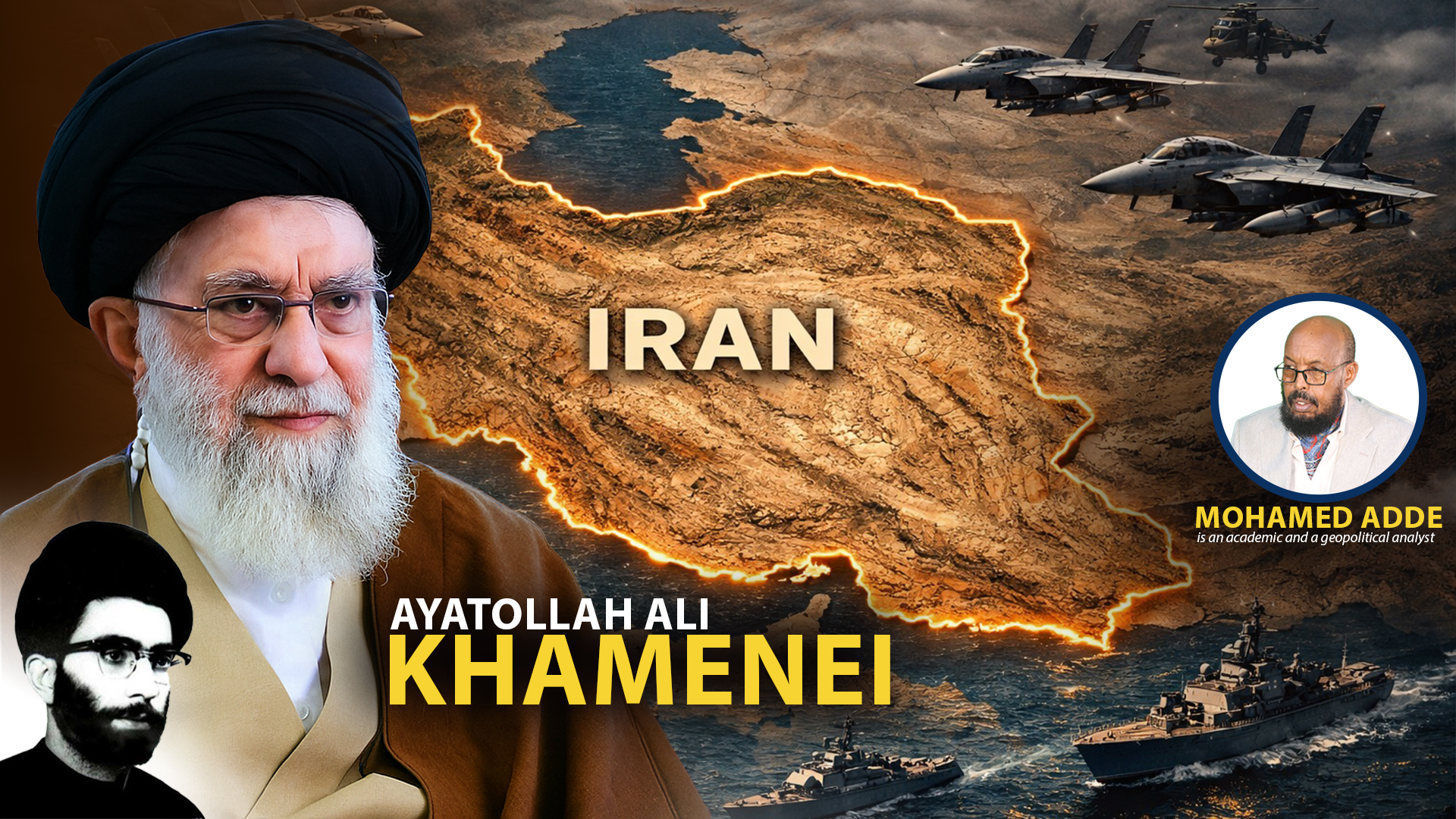

The life of Ali Khamenei was one of the most remarkable political and religious journeys in the modern Middle East. Rising from a modest seminary student in the holy city of Mashhad, he became Iran’s second Supreme Leader and one of the region’s most influential figures. For more than three decades, his ideas, decisions and leadership shaped not only Iran but also the strategic balance of power across the Middle East. His death in 2026 marked the end of an era that began with the triumph of the Islamic Revolution nearly half a century earlier.
Born in 1939 into a family of religious scholars, Khamenei grew up in modest circumstances. His father was a respected but financially poor cleric who emphasized education, discipline and Islamic learning. From an early age, the young Khamenei devoted himself to studying the Quran, Arabic grammar, Islamic jurisprudence and philosophy. His intellectual curiosity distinguished him from many of his contemporaries, and he developed a passion for literature alongside religious scholarship.
The turning point in his life came during the early 1960s when he travelled to the seminaries of Qom and attended the lectures of Ruhollah Khomeini. Khomeini argued that Islam was not merely a religion of personal devotion but a comprehensive system capable of governing society. These ideas profoundly influenced Khamenei. He became convinced that Muslim scholars should resist dictatorship, foreign domination and social injustice. That intellectual transformation would define the rest of his life.
As Iran’s monarchy under Mohammad Reza Pahlavi tightened political control, Khamenei joined the growing network of clerics and activists opposing the Shah. His sermons increasingly combined Islamic teachings with political criticism. He was arrested several times by the Shah’s intelligence service, SAVAK, and spent periods in prison and internal exile. These hardships strengthened his reputation among revolutionary circles, who viewed imprisonment as a badge of commitment rather than defeat.
Beyond politics, Khamenei cultivated a broad intellectual life. He translated Arabic works into Persian, studied Islamic philosophy, wrote on literature and encouraged reading among young clerics. Iranian commentators often highlighted this scholarly dimension, portraying him as a leader whose political vision emerged from decades of study rather than from military or party politics alone.
The 1979 Islamic Revolution transformed his destiny. After the monarchy collapsed and the Islamic Republic was established, Khamenei quickly rose through the ranks of the new state. He held several senior positions before becoming President of Iran in 1981 during the difficult years of the Iran-Iraq War. Earlier that same year, he survived an assassination attempt that left his right arm permanently disabled, an injury that became part of his public image as a revolutionary survivor.
When Khomeini died in 1989, few expected Khamenei to become his successor. Although respected politically, he was not regarded as the country’s most senior religious authority. Nevertheless, the Assembly of Experts selected him as Supreme Leader, believing his revolutionary credentials, political experience and loyalty to Khomeini’s vision made him the most suitable choice. It proved to be one of the most consequential leadership decisions in modern Iranian history.
During the next thirty-six years, Khamenei became the dominant figure in Iran’s political system. He exercised ultimate authority over the armed forces, foreign policy, national security and the judiciary while setting the country’s ideological direction. Supporters credited him with preserving Iran’s independence, advancing scientific and military capabilities, and resisting foreign pressure despite decades of sanctions. Critics argued that his rule centralized power, restricted political freedoms and responded harshly to dissent. Yet even his critics acknowledged that few leaders in the contemporary Middle East matched the breadth of his influence.
Perhaps Khamenei’s greatest geopolitical legacy was the expansion of Iran’s regional influence. Under his leadership, Tehran developed extensive partnerships with allied movements across the Middle East, making Iran a central actor in regional conflicts and diplomacy. This strategy altered the regional balance of power and ensured that developments in Tehran increasingly shaped events far beyond Iran’s borders. Admirers described it as building strategic depth and defending national sovereignty, while opponents viewed it as intensifying regional confrontation.
Despite economic crises, international sanctions and repeated domestic protests, Khamenei remained steadfast in his belief that Iran should pursue self-reliance, scientific progress and political independence. His speeches frequently emphasized education, technological innovation, cultural confidence and resistance to external domination, themes that resonated deeply with his supporters.
Ali Khamenei’s journey from a young seminary student studying under Ayatollah Khomeini in the 1960s to becoming one of the most influential figures in modern Middle Eastern politics illustrates the enduring power of ideas in shaping history. Whether remembered as a revolutionary scholar, an uncompromising statesman or a deeply controversial ruler, his impact on Iran and the wider Middle East will continue to be studied for generations. His legacy remains inseparable from the rise of the Islamic Republic and the transformation of regional geopolitics in the late twentieth and early twenty-first centuries.
Mohamed Mohamoud Adde is an academic and a geopolitical analyst