

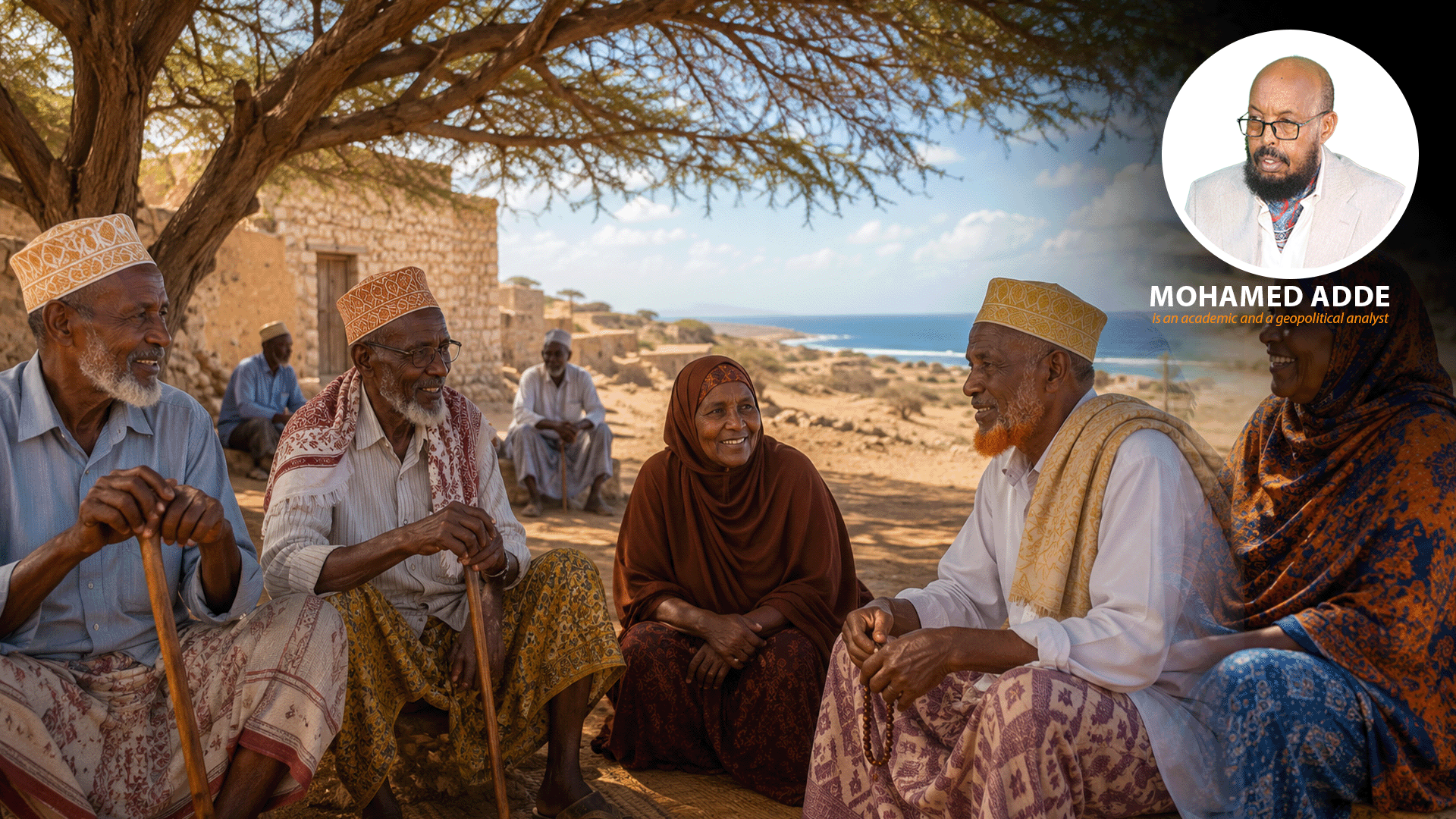

Growing old is one of life’s greatest blessings, but it also brings changes that many people are unprepared for. Across Somalia, thousands of men and women who are now in their sixties, seventies and beyond are discovering that their bodies no longer respond as they once did. Climbing stairs feels harder, eyesight becomes weaker, names are sometimes forgotten, sleep is lighter, and everyday tasks require more effort. These changes can be worrying, but in most cases they are a natural part of ageing rather than a sign that something is seriously wrong.
Many Somali elders grew up in difficult times, surviving droughts, conflict, displacement and economic hardship. Their resilience helped build families and communities, yet those same years often meant limited access to healthcare, nutritious food and preventive medical care. As a result, many reach old age carrying the effects of decades of physical labour and untreated illnesses. Understanding these changes is the first step toward living a healthier and more comfortable life.
One of the first things many older people notice is a gradual loss of strength. Muscles naturally become smaller with age, joints become stiffer, and bones lose some of their density. Walking long distances may become tiring, lifting heavy objects becomes difficult, and balance may not be as steady as before. None of these changes mean that an older person should stop moving. In fact, remaining physically active is one of the best medicines for healthy ageing. A daily walk, gentle stretching, light household activities and simple balance exercises help maintain strength, improve circulation and reduce the risk of falls.
Changes in eyesight and hearing are also common. Reading small print becomes difficult, bright sunlight may cause discomfort, and conversations can become harder to follow when hearing declines. These problems should not simply be accepted as unavoidable. Many vision and hearing problems can be treated or improved if they are identified early. Families should encourage elderly relatives to seek medical attention whenever their eyesight or hearing changes significantly.
Memory is another source of concern for many older adults. Forgetting where keys were placed or occasionally struggling to remember a name is often a normal part of ageing. However, persistent confusion, getting lost in familiar places, difficulty recognising close relatives or major personality changes may require medical assessment. Families should respond with patience rather than frustration, recognising that memory problems are illnesses, not personal failures.
Chronic illnesses become more common as people grow older. High blood pressure, diabetes, heart disease and arthritis often develop gradually without obvious symptoms. Regular health check-ups can detect these conditions before they cause serious complications. Even simple blood pressure measurements and blood sugar tests can save lives by allowing treatment to begin early.
Food also becomes increasingly important with age. Older adults need nutritious meals containing vegetables, fruits, beans, fish, meat or other sources of protein to maintain muscle strength. Drinking enough water is equally important, even when thirst becomes less noticeable. Some elders lose their appetite or have difficulty chewing because of dental problems. Families should pay attention to these issues and prepare meals that are both nutritious and easy to eat.
Sleep patterns often change during old age. Many elders wake up earlier than they used to or sleep for shorter periods during the night. While these changes are common, severe insomnia, constant fatigue or excessive daytime sleepiness should be discussed with a healthcare professional because they may indicate an underlying medical condition.
Equally important is emotional well-being. Some older people become lonely after retirement, the loss of a spouse or the migration of children. Others quietly carry emotional wounds from years of conflict and hardship. Feelings of sadness, anxiety or isolation should never be dismissed as simply part of getting old. Spending time with family, visiting friends, attending the mosque, participating in community activities and maintaining regular conversations all contribute to better mental health.
Families have a special responsibility in caring for their elderly relatives. Somali culture has long honoured older people for their wisdom, experience and guidance. Respecting elders means more than offering kind words. It means listening patiently, helping them attend medical appointments, ensuring they take prescribed medicines correctly, encouraging physical activity and making sure they remain active participants in family life rather than becoming isolated observers.
Older adults themselves also have an important role in protecting their own health. Avoiding tobacco, limiting unhealthy foods, staying physically active, taking medicines as prescribed and seeking medical advice when new symptoms appear all contribute to healthier ageing. Growing older does not mean giving up independence or purpose. Many people continue teaching, mentoring, volunteering, reading, learning and contributing to their communities well into their later years.
Ageing is not a disease but a natural stage of life that deserves understanding, preparation and compassion. The physical changes that accompany old age may slow the body, but they do not diminish a person’s dignity, wisdom or value. With supportive families, healthier lifestyles and timely medical care, Somali elders can continue living meaningful, active and fulfilling lives. Caring for older generations is not only an act of gratitude for their lifelong sacrifices but also an investment in the values that bind Somali families and communities together.
Mohamed Mohamoud Adde is an academic and a geopolitical analyst