

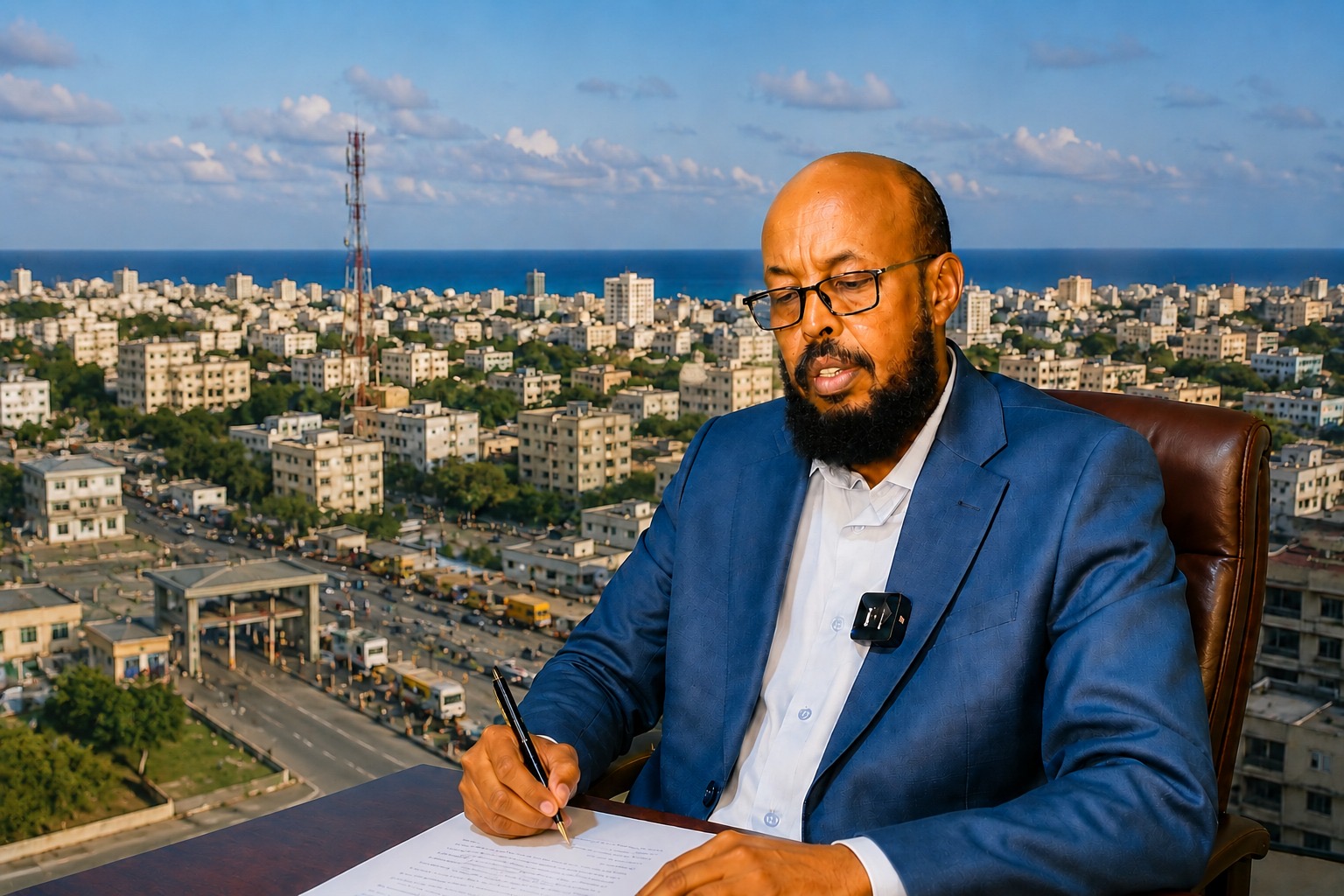

The issue of waste management in Mogadishu has increasingly become a matter of public concern. As the city continues to grow in population, commerce, and urban expansion, the challenge of managing garbage and maintaining environmental cleanliness has become more visible. Piles of uncollected waste in some neighbourhoods, blocked drainage systems, and poor disposal habits can create serious public health hazards if left unaddressed. This matter deserves serious attention not through blame or criticism, but through constructive action, civic responsibility, and institutional improvement.
Mogadishu has made remarkable progress in recent years in terms of security, infrastructure development, business activity, and urban reconstruction. Roads have been built, modern buildings have emerged, and economic activities have increased. However, one important area that still requires urgent reform is waste management. A clean city is not merely about aesthetics; it is directly linked to public health, dignity, tourism, environmental sustainability, and the quality of life of residents.
Poor waste management can contribute to numerous health risks. Uncollected garbage can attract flies, mosquitoes, and rodents, which are known carriers of diseases. During rainy seasons, waste blocking drainage systems can lead to flooding and contaminated water, increasing the risk of illnesses such as diarrhoea, cholera, and other sanitation-related diseases. Children, the elderly, and vulnerable populations are often the first to suffer from these environmental hazards.
At the same time, it is important to acknowledge that waste management is not solely the responsibility of local authorities. Citizens, businesses, schools, markets, and institutions all have a role to play. Throwing rubbish indiscriminately, burning plastic in residential areas, or dumping waste into drainage channels only worsens the situation. Public responsibility and government efficiency must go hand in hand.
The local authorities in Mogadishu may need to seriously overhaul waste management operations by investing in a more organised and sustainable system. This could include increasing waste collection points, introducing regular garbage collection schedules, strengthening municipal sanitation departments, and improving disposal sites. More importantly, city officials could consider introducing modern waste separation practices where recyclable and non-recyclable materials are managed differently. Even modest improvements can produce significant results over time.
Public education is equally essential. Many sanitation problems stem not from bad intentions but from lack of awareness. Schools, universities, religious institutions, media organisations, and civil society groups can play an important role in educating communities about cleanliness and public health.
Mosques and religious scholars may also contribute positively because cleanliness occupies an important place in Islamic teachings. The Prophet Muhammad (peace be upon him) taught that “Purity is half of faith,” reminding believers that hygiene and cleanliness are not only social obligations but also spiritual responsibilities. Keeping homes, streets, markets, and public places clean should therefore be seen not merely as a government duty but as part of collective moral responsibility. In another well-known Islamic teaching, removing harmful objects from roads and pathways is regarded as an act of charity and faith, reinforcing the importance of maintaining clean public spaces for the well-being of society.
Families should also teach children from a young age the importance of proper waste disposal. Civic education should include lessons on environmental responsibility. A child who grows up understanding that throwing rubbish in public spaces damages society is more likely to become a responsible citizen in adulthood.
There are practical lessons Mogadishu can learn from other countries that once faced similar challenges. One often-cited example is Rwanda. Today, Rwanda is widely recognised as one of the cleanest countries in Africa, especially its capital, Kigali. Yet this transformation did not happen overnight.
Rwanda’s success came through strong public awareness campaigns, effective municipal systems, and community participation. One notable initiative is Umuganda, a monthly community service programme during which citizens participate in public cleaning and environmental improvement activities. Streets, drainage systems, and public spaces are cleaned collectively, creating a strong culture of civic responsibility. The government also introduced effective anti-littering measures and promoted environmentally friendly practices, including restrictions on plastic bags.
However, the lesson from Rwanda is not that Mogadishu should copy everything exactly. Every country has its own realities and cultural context. The real lesson is that change becomes possible when governments and citizens work together toward a shared vision of a cleaner environment.
Mogadishu, with its resilient and entrepreneurial population, has the potential to become a cleaner and healthier city. The Somali people have repeatedly demonstrated determination in rebuilding their country despite decades of hardship. Waste management reform can be another important chapter in this recovery journey.
Improving sanitation is not simply about removing garbage; it is about protecting public health, preserving dignity, preventing disease, and building a city that future generations can be proud of. A cleaner Mogadishu would improve living conditions, encourage investment, enhance tourism, and strengthen the city’s image both locally and internationally.
The challenge is significant, but it is not impossible. With better planning, public awareness, institutional commitment, and shared civic responsibility, Mogadishu can move toward a cleaner and safer future. Cleanliness should not be viewed as the responsibility of authorities alone, nor citizens alone, but as a collective national duty for the well-being of everyone.
Mohamed Mohamoud Adde is an academic and geopolitical analyst