

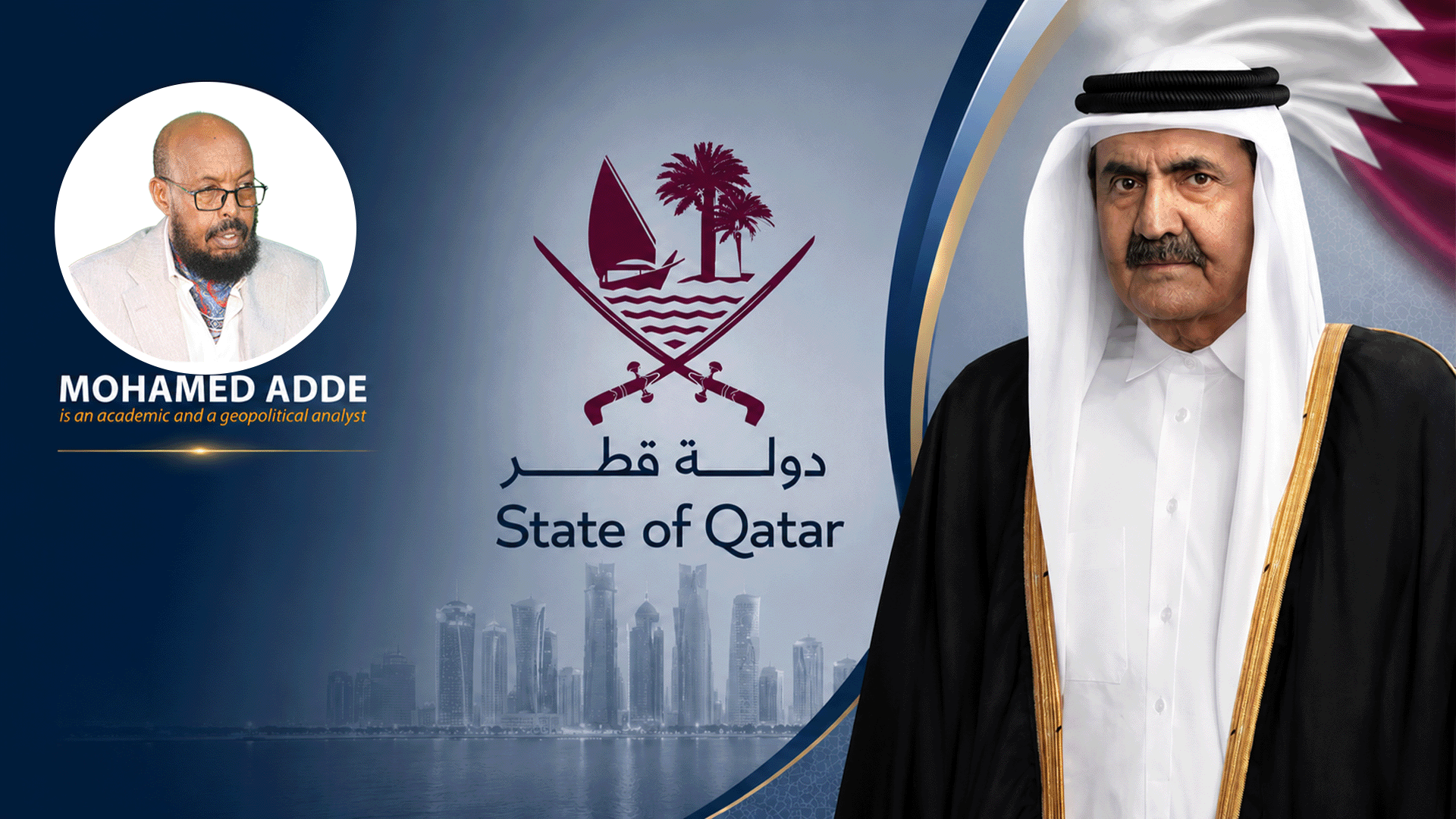

The passing of Qatar’s Father Amir, His Highness Sheikh Hamad bin Khalifa Al Thani, at the age of 74 marks the end of one of the most transformative leadership eras in the modern Middle East. More than a former ruler, Sheikh Hamad was widely regarded as the architect of contemporary Qatar, a leader whose vision reshaped a small Gulf state into a global economic powerhouse, an influential diplomatic actor and a major player in international energy markets.for
Born in Doha in 1952 into the ruling Al Thani family, Sheikh Hamad received military training at Britain’s Royal Military Academy Sandhurst before returning home to serve in Qatar’s armed forces. As Crown Prince, he became increasingly involved in national planning and the development of the country’s vast natural gas resources. These early responsibilities would later define his leadership and lay the foundation for Qatar’s remarkable transformation.
In June 1995, Sheikh Hamad assumed power in a peaceful palace transition while his father, Emir Sheikh Khalifa bin Hamad Al Thani, was abroad. His accession ushered in a new chapter for Qatar, characterized by ambitious modernization, economic diversification and an assertive foreign policy that would significantly raise the country’s international profile.
His greatest achievement was the strategic development of Qatar’s immense North Field natural gas reserves. Massive investment in liquefied natural gas production, export terminals, ports and supporting infrastructure turned Qatar into one of the world’s leading LNG exporters and one of the wealthiest nations on a per-capita basis. The resulting prosperity financed sweeping improvements in healthcare, education, transport and public services, fundamentally changing the lives of Qatari citizens.
Sheikh Hamad understood that wealth alone would not secure lasting influence. Under his leadership, Qatar pursued an active foreign policy that emphasized dialogue, mediation and diplomacy. Doha emerged as a preferred venue for negotiations involving conflicts in Lebanon, Sudan, Yemen, Afghanistan and the Palestinian territories. By maintaining relationships with diverse regional and international actors, Qatar established itself as an influential intermediary in some of the world’s most complex political disputes.
One of his most enduring legacies was the establishment of Al Jazeera in 1996. The satellite television network transformed Arabic-language journalism by expanding public debate and bringing regional issues to global audiences. It challenged traditional state-controlled broadcasting and became one of the Arab world’s most influential media organizations, permanently changing the region’s media landscape.
His vision also extended beyond politics and energy. Through the Qatar Investment Authority, the country invested billions of dollars in strategic assets across Europe, North America and Asia, acquiring interests in global finance, real estate, aviation, hospitality and sport. These investments diversified Qatar’s economy while enhancing its influence in international markets.
Recognizing the growing importance of soft power, Sheikh Hamad championed education, scientific research and international sports. Education City in Doha attracted prestigious universities from around the world, helping position Qatar as a regional centre for higher learning and innovation. His commitment to sports diplomacy ultimately paved the way for Qatar to host the 2022 FIFA World Cup, a landmark event that showcased the country’s infrastructure and organizational capabilities to a global audience.
Despite these accomplishments, his leadership was not without criticism. Qatar’s independent foreign policy, engagement with a broad spectrum of political actors and growing regional influence occasionally created tensions with neighbouring Gulf states. Human rights concerns and scrutiny over migrant labour practices also attracted international attention. Nevertheless, supporters argued that Sheikh Hamad consistently pursued policies aimed at strengthening Qatar’s sovereignty and expanding its diplomatic reach.
In 2013, after eighteen years in power, Sheikh Hamad made a decision rarely seen among Gulf monarchs by voluntarily transferring authority to his son, Sheikh Tamim bin Hamad Al Thani. The peaceful succession reflected his belief that younger generations should lead the nation’s future and ensured continuity in Qatar’s long-term development strategy.
Although he stepped away from public office, the institutions and policies he established continued to shape Qatar’s domestic progress and international standing. His influence remained visible in the country’s economic resilience, diplomatic activism and global investment strategy.
Sheikh Hamad bin Khalifa Al Thani leaves behind a legacy that extends well beyond Qatar’s borders. He transformed a relatively small Gulf nation into a country whose voice carries weight in global diplomacy, international finance, energy security and media. His vision demonstrated how strategic leadership, prudent management of natural resources and investment in human development can fundamentally alter a nation’s place in the world.
His death closes a remarkable chapter in Qatar’s history. Future generations will remember him not simply as a former emir, but as the statesman whose ambition, foresight and determination laid the foundations of modern Qatar and established its enduring presence on the global stage.
Mohamed Mohamoud Adde is an academic and a geopolitical analyst