

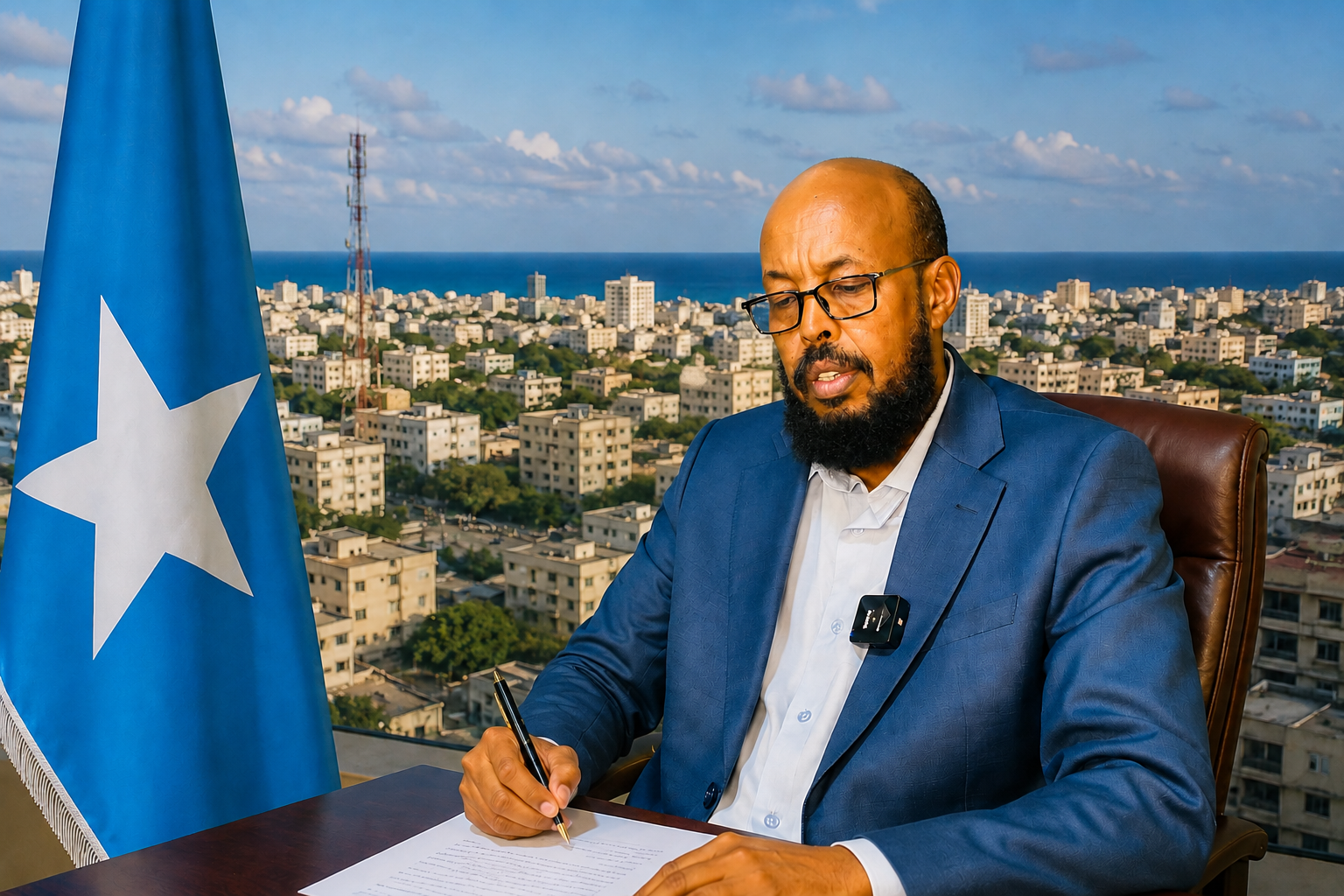

In a healthy democracy, a politician is a public servant rather than an absolute ruler. Their authority is merely a temporary loan from the citizens, built upon the three fundamental pillars of public representation, lawmaking, and government oversight. True leaders act as the voice of their constituents by bringing local economic and social struggles to the national stage. They debate and vote on crucial legislation to improve public welfare while simultaneously monitoring the executive branch to prevent corruption and ensure that tax revenues are spent transparently.
In a genuine democratic framework, this immense power is earned exclusively through peaceful persuasion and rigorous institutional processes. Candidates present clear policy platforms to the public, laying out their visions and economic plans through open town halls and intense media debates. This scrutiny allows voters to judge a candidate’s competence, intellect, and integrity. The climax of this process occurs on election day through a secret ballot, where citizens cast their votes privately and freely. Once the results are finalized, the winner takes office while the loser peacefully concedes, respecting the will of the people and preparing for the next electoral cycle.
Despite these universal principles, political competition in many transitioning societies—particularly within the Somali context—frequently devolves into violence. Many candidates and clan factions operate under the false assumption that armed intimidation, roadblocks, or localized conflicts are valid shortcuts to political victory. This destructive mindset stems from the deep entrenchment of clan-based politics, where political seats are viewed as tribal property rather than civic responsibilities. Consequently, political contests are treated as existential tribal battles that justify armed defence. This is worsened by a fundamental misunderstanding of governance, where public office is seen as a lucrative financial prize and a gateway to absolute tribal dominance. When judicial bodies and independent electoral commissions are weak, candidates default to armed force simply because they do not trust the system to deliver a fair, unrigged outcome.
Resorting to gunfire and chaos to secure political leverage completely subverts the democratic goal and cripples society. Armed conflict instantly triggers economic and social destabilization, forcing businesses to close, displacing families, and costing innocent lives. Furthermore, electoral violence deepens tribal animosities, creating severe social fragmentation and generational grudges between communities that must co-exist. The most damaging consequence of all is the rise of unaccountable individuals; a politician who gains office through a gun barrel feels zero accountability to the citizens. They owe their loyalty only to the militia that installed them, leading directly to systemic corruption, institutional decay, and bad governance.
History proves that nations only thrive when they break this cycle of political violence. During the early years of the Somali Republic, President Aden Abdulle Osman (“Aden Adde”) lost the 1967 democratic election to Abdirashid Ali Shermarke. Instead of mobilizing a militia to hold onto power, Aden Adde calmly stepped down and shook his successor’s hand, becoming the first African head of state to peacefully hand over power after an electoral defeat, this historic example proves that a politician’s true legacy is not how much power they can seize by force, but how well they protect the peace of their nation.
To permanently stop politicians from reverting to violence, transitioning societies must implement structural safeguards that make armed interference impossible. First, the security sector must be depoliticized so that national armies and local police forces pledge loyalty strictly to the constitution rather than to individual politicians or clan elders. Second, strict disqualification laws must be enforced to permanently ban any candidate who incites violence, deploys an illegal militia, or uses hate speech from running for public office. Third, a trusted, independent judiciary must be established to resolve election disputes through legal appeals instead of armed conflict. Finally, widespread civic education campaigns must teach the public that their vote is their true power, encouraging citizens to refuse to pick up guns for corrupt politicians.
Ultimately, a politician’s true weapon must be their ideas, not their arsenal. For lasting progress, communities must reject leaders who use violence as a political resume because power gained through blood can only be maintained through fear. Real democracy is built when citizens pick up a pen instead of a rifle, allowing the ballot box to be the ultimate judge of political destiny.
Therefore, political violence must stop once and for all. The destructive belief that a gun can substitute for a mandate has brought nothing but decades of grief, fractured communities, and stalled progress. It is time to draw a definitive line in the sand: anyone who relies on bullets to win an election has no place in the future of governance. True leadership is not measured by the fear a politician can instil, but by the progress he / she can inspire. For the nation to heal and move forward, the rule of the gun must die so that the rule of law can finally live.
Mohamed Mohamoud Adde is an academic and a geopolitical analyst