

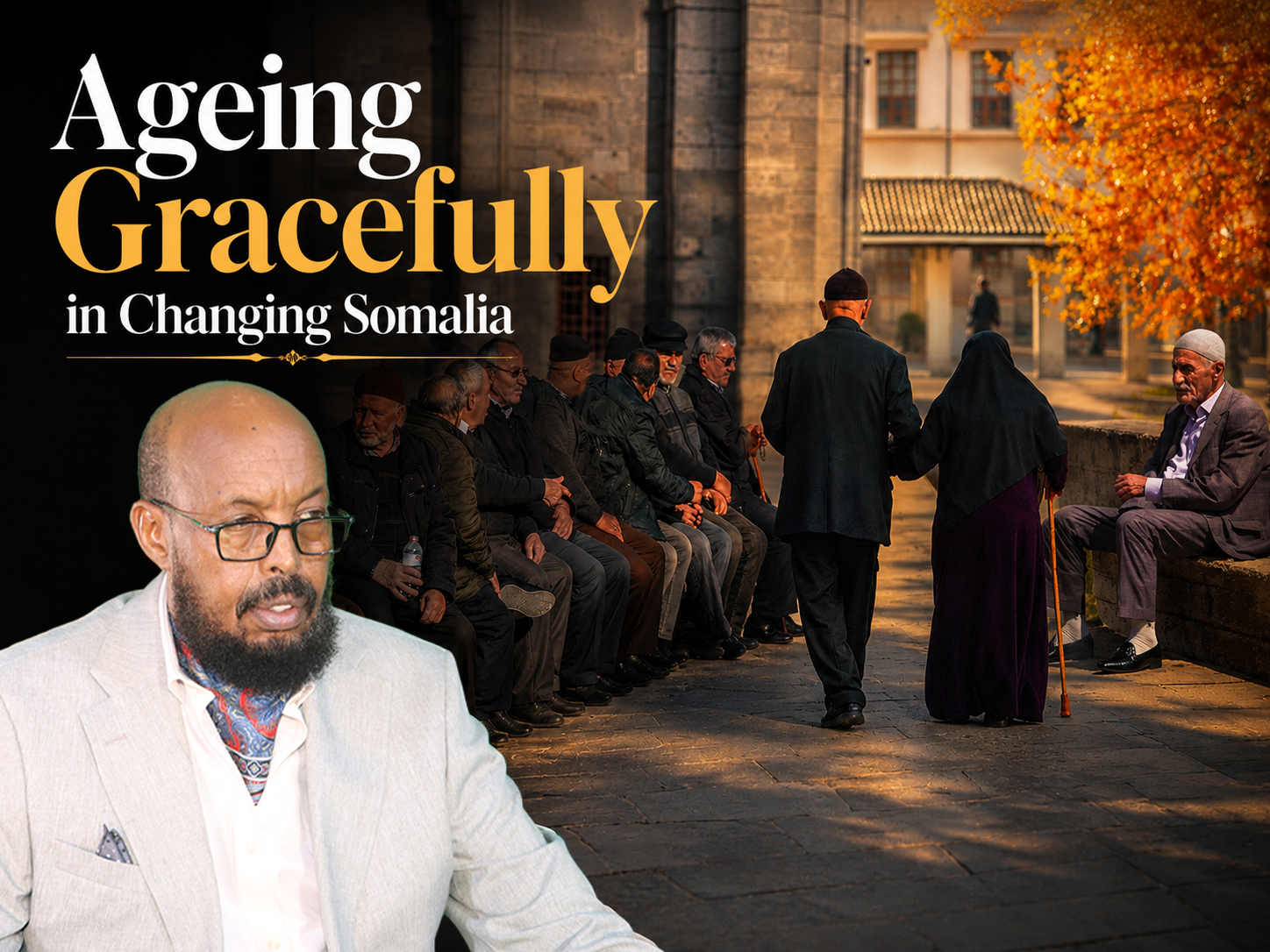

For generations, Somalis were known for their resilience and physical activity. Elderly men and women often remained energetic and productive well into old age. In rural communities, older people still walk long distances, tend to livestock, participate in farming, and actively engage in community life. Many remain physically strong and mentally alert despite their advanced years.
However, a different picture is emerging in Mogadishu and other urban centres. Age-related ailments are becoming increasingly common among older city residents. Hypertension, diabetes, obesity, joint problems, heart disease, depression, and memory-related illnesses are affecting many elderly people. The contrast between thriving rural elders and struggling urban dwellers raises an important question: What has changed?
One major factor is the transformation in lifestyle. Traditional Somali life involved constant movement. People walked to markets, visited neighbours on foot, and engaged in physically demanding daily tasks. Today, urban life is becoming increasingly sedentary. Many elderly citizens spend long hours sitting at home or remaining inactive due to poor infrastructure, security concerns, and limited recreational opportunities.
Dietary habits have also changed significantly. Traditional Somali meals consisted of fresh milk, meat, locally grown produce, moderate portions of meat, and foods that required physical effort to obtain and prepare. Modern urban diets increasingly include sugary drinks, processed foods, excessive carbohydrates, and foods high in salt and unhealthy fats. These dietary changes contribute to obesity, diabetes, and cardiovascular diseases.
Another challenge is social isolation. In the past, older people occupied respected positions within extended families and communities. They were advisers, storytellers, and custodians of culture. Urbanisation has altered family structures. Many elderly people now spend considerable time alone, while younger family members are occupied with work and modern lifestyles. Loneliness and reduced social interaction can negatively affect mental and physical health.
Access to specialised healthcare is another major issue. In many countries, elderly citizens benefit from geriatric medicine, regular health screenings, rehabilitation programmes, and professional guidance on healthy ageing. Such services remain limited in Mogadishu. Consequently, many age-related conditions are diagnosed late or managed inadequately.
Yet ageing does not necessarily mean becoming weak and dependent. Scientific research consistently shows that lifestyle changes can significantly improve health and quality of life during old age.
The first recommendation is regular physical activity. Older adults should engage in at least thirty minutes of moderate exercise most days of the week. Walking is one of the safest and most effective forms of exercise. Morning and evening walks can improve heart health, reduce blood pressure, control diabetes, strengthen muscles, and enhance mental wellbeing.
Second, elderly citizens should adopt healthier eating habits. They should reduce excessive sugar, salt, and fatty foods. A balanced diet containing fruits, vegetables, beans, fish, and moderate amounts of lean meat can help prevent many chronic illnesses. Drinking sufficient water and avoiding excessive consumption of sweetened beverages are also important.
Third, maintaining social connections is essential. Elderly people should be encouraged to participate in community activities, visit friends and relatives, attend religious gatherings, and remain actively involved in family affairs. Social engagement reduces loneliness and lowers the risk of depression and cognitive decline.
Fourth, regular medical check-ups are vital. Blood pressure, blood sugar levels, vision, hearing, and heart health should be monitored routinely. Early detection of health problems often prevents complications and allows for more effective treatment.
Fifth, mental activity should not be neglected. Reading, learning new skills, engaging in discussions, solving puzzles, and participating in educational activities help keep the mind active and may reduce the risk of memory-related illnesses.
Families also have a significant responsibility. Respecting and caring for elderly relatives should extend beyond providing food and shelter. Emotional support, companionship, and encouraging healthy habits are equally important. Older people need to feel valued and included.
The authorities in Mogadishu can also contribute significantly. Community centres for senior citizens could provide opportunities for exercise, social interaction, and health education. Healthcare institutions should gradually develop geriatric services to address the specific needs of the ageing population.
The experience of rural Somali elders demonstrates that active ageing is possible. Their continued movement, social engagement, and simpler lifestyles offer valuable lessons for urban communities. Ageing is a natural process, but unnecessary suffering in old age is not inevitable.
Mogadishu’s elderly citizens represent a generation that endured conflict, hardship, and national upheaval. They deserve the opportunity to enjoy healthy and dignified lives. By embracing healthier lifestyles, strengthening family support, and improving community services, the city can help its senior citizens age with vitality rather than merely survive. Growing old should be a stage of wisdom, fulfilment, and continued contribution to society, not a period of avoidable decline.
Mohamed MohamoudAdde is an academic and ageopolitical analyst