

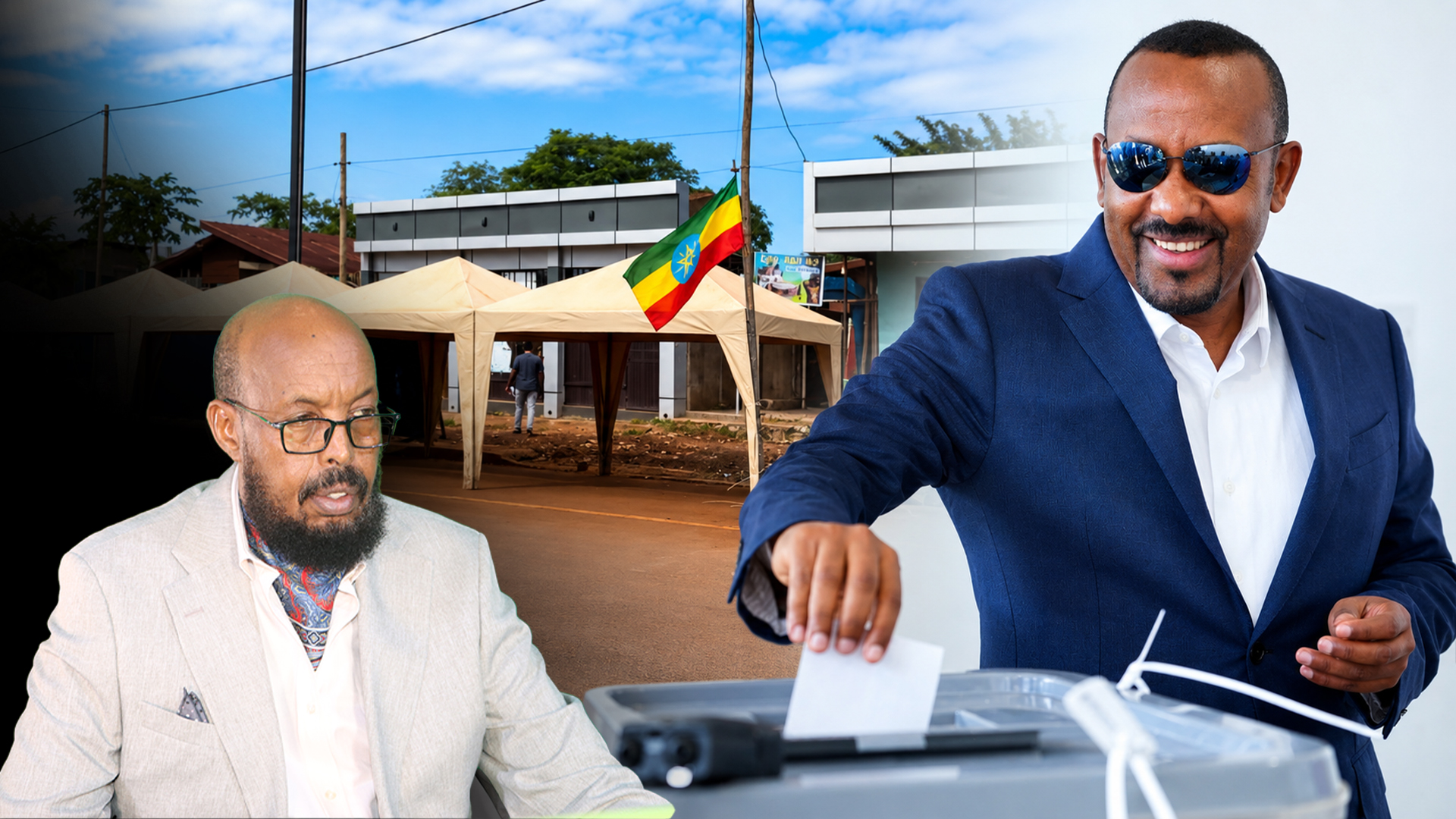

Prime Minister Abiy Ahmed’s Prosperity Party has once again emerged as the dominant political force in Ethiopia, securing an overwhelming parliamentary majority and ensuring another term in office for one of Africa’s most closely watched leaders. The election result represents both continuity and a reminder that Ethiopia’s democratic and national reconciliation processes remain unfinished.
The Prosperity Party won 438 parliamentary seats, comfortably exceeding the number required to form a government. However, the election was not conducted across the entire federation. Voting did not take place in the Tigray region, one of Ethiopia’s twelve regional states, because the National Election Board described conditions there as unfavourable.
The absence of Tigray from the electoral process is deeply significant. Only a few years ago, the northern region was the epicentre of one of Africa’s deadliest conflicts. The war between the federal government and the Tigray People’s Liberation Front caused immense destruction, displaced millions of people, and devastated livelihoods. Although a peace agreement ended large-scale fighting, the scars of war remain visible, and the region’s exclusion from the election underlines the continuing challenges of national reconciliation.
Yet despite the shadow cast by conflict, Abiy Ahmed’s party achieved a convincing victory. Several factors explain this outcome.
First, the Prosperity Party possesses an extensive nationwide organisational structure. Formed in 2019 through the merger of several regional parties, it has established branches across Ethiopia’s diverse ethnic and geographic landscape. This network enabled the ruling party to mobilise supporters and conduct an effective campaign.
Second, many Ethiopians continue to view Abiy Ahmed as a transformative figure. Since coming to power in 2018 amid widespread protests, he has projected an image of reform and national renewal. His early reforms, including the release of political prisoners and efforts to open political space, generated enormous expectations both domestically and internationally. His peace initiative with Eritrea earned him the Nobel Peace Prize and elevated his global profile.
Third, the opposition remains divided. Several parties are fragmented along ethnic or regional lines and have struggled to present a unified national alternative. This lack of cohesion gave the ruling party a significant advantage in the electoral contest.
Economic aspirations also played a crucial role in shaping voter behaviour. Ethiopia remains one of Africa’s most ambitious economies despite years of instability. The government projects economic growth exceeding 10 percent in 2026, potentially making Ethiopia one of the fastest-growing economies on the continent. Massive investments in infrastructure, industrial parks, agricultural modernisation, and economic reforms have created optimism among sections of the population.
For millions of young Ethiopians seeking jobs and better living standards, economic growth represents hope for a more prosperous future. The Prosperity Party’s promise of stability and development appears to have resonated with many voters.
The election results were particularly notable in Ethiopia’s Somali Region. The region has twenty-three seats in the federal parliament, and all twenty-three seats were won by candidates representing the Prosperity Party. This clean sweep gave the ruling party complete parliamentary representation from the Somali region and contributed to its commanding national majority.
Politically, the Somali Region’s support carries importance beyond numbers. It indicates the region’s continued participation in Ethiopia’s federal political system and potentially gives Somali representatives greater influence in discussions concerning development, trade, infrastructure, and regional security. For a region that has historically experienced periods of marginalisation and instability, its unified parliamentary representation under the ruling party is a noteworthy development.
Nevertheless, the election victory does not mean Ethiopia’s difficulties have disappeared. Security challenges continue in parts of Oromia and Amhara regions. Ethnic tensions remain a concern, and questions persist regarding democratic freedoms, political inclusion, and the strength of state institutions.
Recent Ethiopian history demonstrates both extraordinary resilience and profound vulnerability. The country has experienced moments of reform and optimism, followed by devastating conflict and uncertainty. The latest election therefore represents more than a routine transfer of political authority. It is another chapter in Ethiopia’s ongoing search for stability, unity, and development.
Abiy Ahmed and the Prosperity Party now possess a renewed and powerful mandate. However, parliamentary numbers alone cannot guarantee success. Their ultimate legacy will depend on whether they can transform impressive economic growth projections into tangible improvements in people’s lives, heal divisions created by conflict, restore confidence in public institutions, and bring all regions—including Tigray—fully back into the national political process.
Ethiopia stands at a historic crossroads. The electorate has once again entrusted Abiy Ahmed with leadership. The challenge now is whether this electoral mandate can be converted into lasting peace, inclusive development, and a stronger and more united federation.
Mohamed Mohamoud Adde is an academic and a geopolitical analyst